

Go-to-market and testbed support for a coffee waste circularity startup.
Urban Blueprint
Berlin, DE

EcoBean, a Warsaw-based green tech company, has developed an innovative method of refining coffee waste into valuable prime products.
We helped EcoBean expand its reach and establish a presence in Germany by helping them navigate the market, overcome regulatory hurdles, explore growth opportunities, and pave the way for a circular Giga-factory near Berlin.
Where it started
EcoBean had built something genuinely useful. The Warsaw-based startup had developed a process for turning spent coffee grounds, one of the most abundant forms of urban food waste, into high-value materials such as proteins, lignin, PLA, and sustainable chemicals. The technology worked. The business case was clear. What wasn’t clear was Germany.
Germany offered a major opportunity. Berlin alone generates around 100 tonnes of spent coffee grounds every day. But entering a new country as a ClimateTech startup means making a series of important decisions. Which customer segments should you focus on? How do you navigate the regulatory environment? Who are the key stakeholders? And which growth path makes the most sense with limited time and resources?
InnoEnergy, Europe's largest public VC fund investing in ClimateTech startups like EcoBean, brought Urban Impact in as a strategic partner to help answer those questions.

Our role
We started by building a clear picture of the German market.
We developed a structured market overview that showed where EcoBean's technology fit, which sectors offered the strongest opportunities, and what barriers and enablers would shape market entry.
From there, we developed six distinct growth scenarios. Each explored a different strategic direction, giving EcoBean a clear view of the opportunities, risks, and trade-offs involved. Instead of one recommendation, they had several well-founded options to choose from. Alongside this work, we mapped the Berlin-Brandenburg stakeholder landscape, identifying the companies, organisations, and individuals most relevant to EcoBean's expansion. We prioritised who to engage first, why they mattered, and how to approach them. We then introduced EcoBean to the stakeholders most relevant for their first steps into the German market.
The engagement ran for six months. By the end, EcoBean had a clear understanding of the German market, a defined growth strategy, and its first relationships in place.

Where they are now
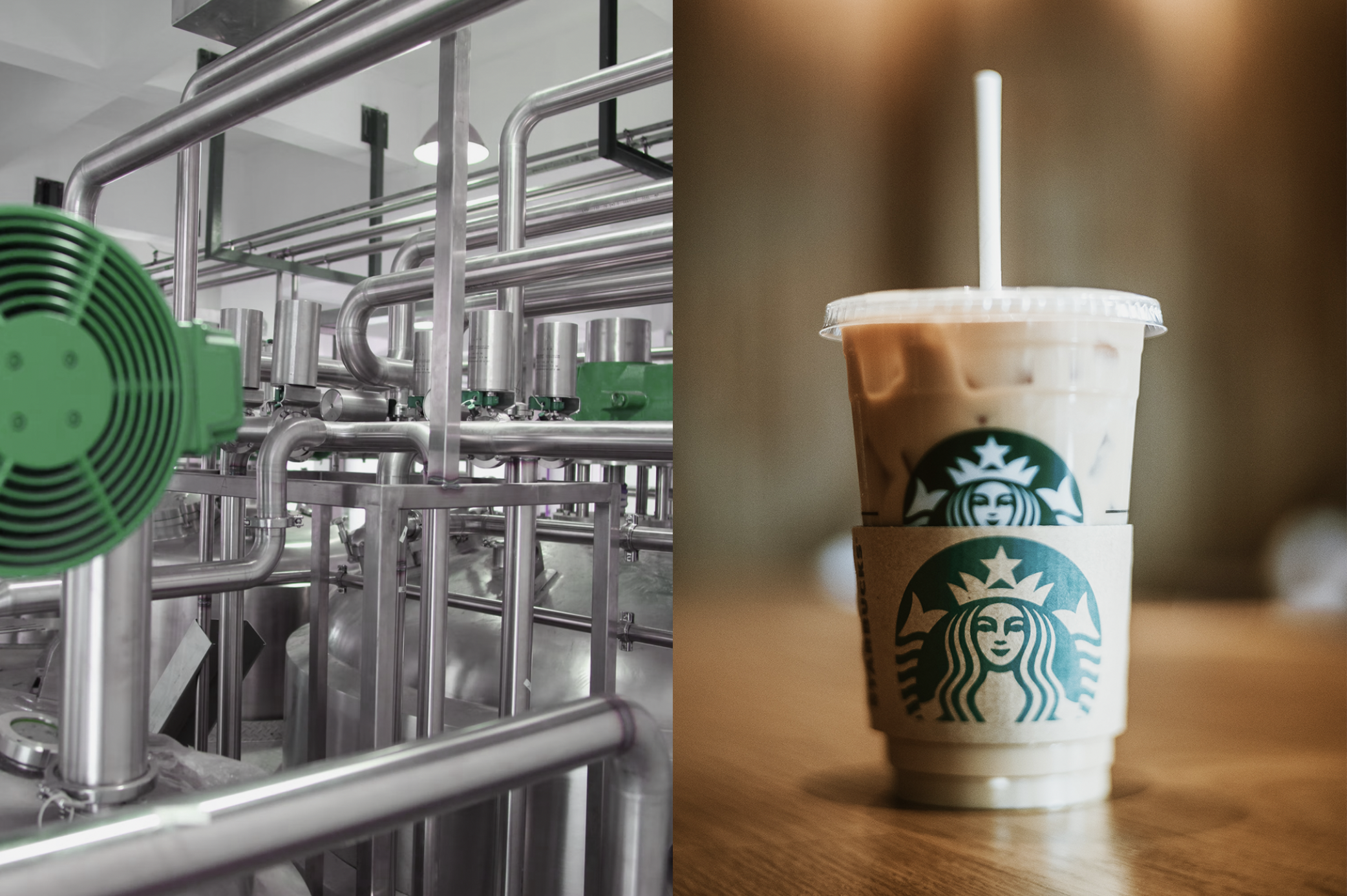
EcoBean is now bringing circular solutions to Starbucks, Prio, and Delta Cafés, operating from Germany to Portugal.
The strategic work gave EcoBean the clarity to choose the right direction, while the stakeholder introductions helped open the first conversations. They knew which door to knock on, why it mattered, and what to say when it opened.
About EcoBean
From sustainable chemicals to consumer products.
EcoBean is an end-to-end circularity company, providing solutions from collection to up-cycling. The unique refinement process allows them to turn coffee waste into materials such as protein additives, lignin, PLA or sustainable chemicals. These materials can then find their way into consumer products like coffee cups, flowerpots, or construction materials.
