

Micro-mobility
roll-out strategy.
City Market Bootcamp
Berlin, DE

Duckt is a startup solving the most pressing challenges of micro-mobility providers and users: locking, docking, and charging.
We partnered with the Duckt team to find suitable testbeds for usability pilots and outlined a go-to-market strategy for entering Berlin.
The context
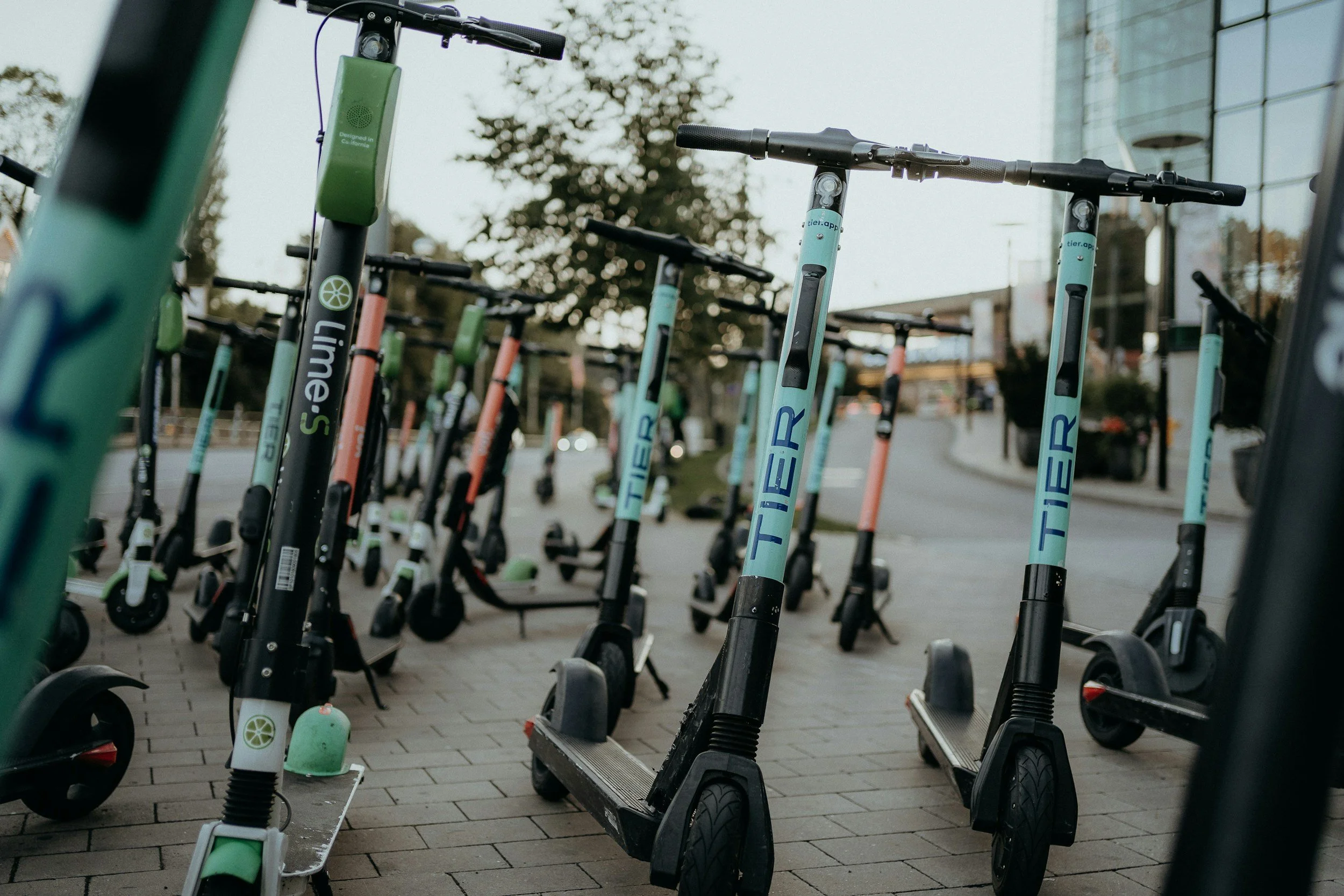
Duckt had identified a real problem in cities. The rapid growth of shared micro-mobility was creating cluttered streets, with scooters left uncharged, unlocked, and parked in the wrong places. Their solution was a universal dock, lock, and charging station that could work across operators and devices. The product was technically sound. The market opportunity was clear.
The next step was Berlin, one of Europe's most active micro-mobility markets and one of its most complex. Public space is highly contested, several scooter operators compete for market share, regulations continue to evolve, and public opinion has become increasingly critical of poorly managed fleets. Entering that environment required required a clear understanding of how the city's mobility ecosystem worked.
The Duckt team was, by their own account, mindful of the challenges that poorly managed micro-mobility creates. Rather than pushing for quick market entry, they wanted to understand how Berlin's mobility system worked and where Duckt could make a meaningful contribution.
Our role
Understanding the system before entering it
We started by understanding Berlin's micro-mobility ecosystem and the people shaping it. Together, we looked beyond the product itself and focused on where Duckt could create value within the city's mobility system. We mapped the key stakeholders: scooter operators looking for better infrastructure, public and private location owners with suitable deployment sites, and the city officials whose support would be essential for long-term adoption.
Making the right connections
We introduced Duckt to the stakeholders most relevant to their market entry, including scooter operators that could become integration partners and location owners interested in hosting the first installations. Each introduction was built around a shared challenge and a clear use case for Duckt's solution. That created meaningful conversations from the outset and helped establish the partnerships needed to move forward.
A GTM strategy they could execute
By the end of the eight-week engagement, Duckt had a clear strategy for entering Berlin. They knew where to begin, which partnerships to prioritise, and how to position their solution for different stakeholders across the city's mobility ecosystem. That was the City Market Bootcamp, a practical roadmap they could put into action.

Where they are now
Duckt's technology is now deployed in London, Paris, and New York. The company was subsequently acquired by ACTON, a US micro-mobility company, and its dock-lock-charge infrastructure became part of ACTON's product offer.

The solution
Dock, lock and charge.
Duckt was since acquired by ACTON and its technology became part of the micro mobility offer of this company.
